

Sunday, November 5, 2026
News Gets Updated Between 8:15 - 9:00 AM
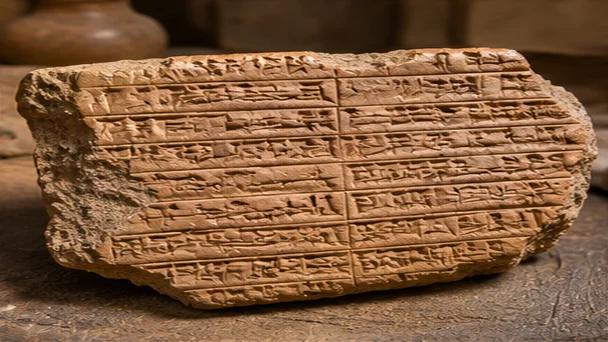
A rare clay mould recovered from the Qishla excavations at Jerusalem’s Tower of David provides direct evidence that some Judean figurines were manufactured locally during the First Temple era. The find clarifies Iron Age craft production and everyday religious culture. It does not establish how the figurines were used or settle debates about ancient worship.
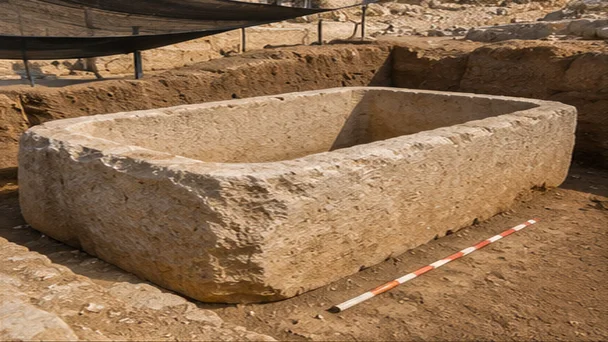
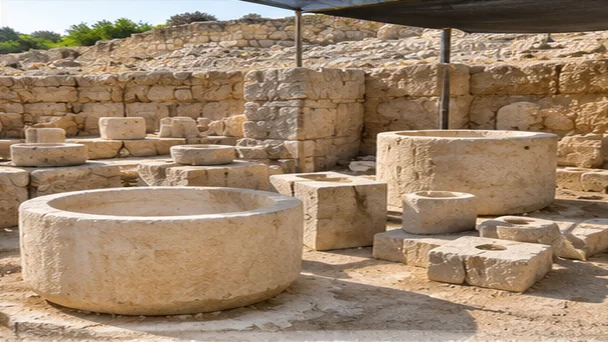
Excavators at Carmei Gat near Kiryat Gat uncovered a previously unknown Jewish settlement and a large ritual bath dating to roughly 2,000 years ago. Conservation workers lifted the approximately 25-ton structure intact for temporary storage. Associated stone vessels reinforce the identification of a community observing Jewish purity practices during the Second Temple period.
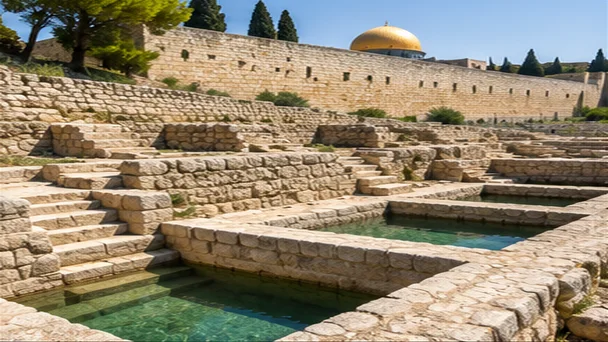
Archaeologists uncovered a rock-cut mikveh beneath Jerusalem’s Western Wall Plaza, sealed by a destruction layer associated with the Roman conquest of AD 70. Steps, plastered walls, pottery, glass and a coin help date and interpret the site. The bath contributes tangible evidence of ritual life near the Temple precinct before the city’s destruction.
Two well-preserved Roman marble portrait sculptures were found concealed in a disused winepress near Binyamina, close to ancient Caesarea. One carries a Greek inscription mentioning Lycurgus, although researchers have not determined which historical figure it represents. The discovery offers a glimpse into Roman-period elite culture in the region familiar from New Testament history.


